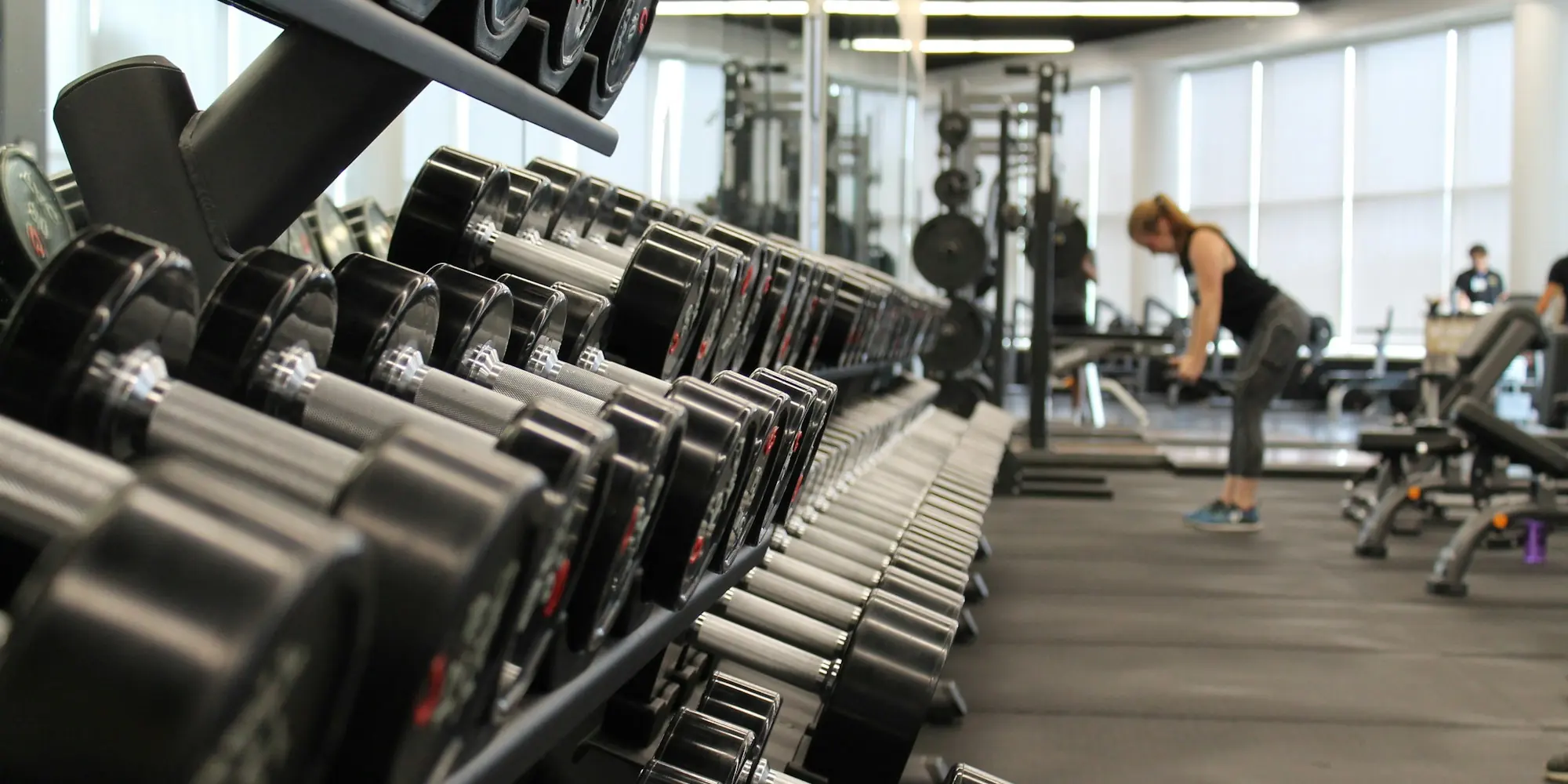
Gyms, fitness studios, sports facilities and event venues usually pay for growth with 4 kinds of financing, and each one fits a different need. Equipment financing pays for racks, cardio machines, reformers, sound systems and lighting, with the equipment itself as security. Revenue-based financing, often called a merchant cash advance, covers a short and specific need and is repaid with a set payment sized on your card revenue. A line of credit covers payroll and rent between busy seasons, or pays a venue's costs before the event balance comes in. SBA and bank loans fund the large, long-term projects, such as buying a building or opening a second location. Which one fits depends on how long you will use the thing you are paying for, and on when your members and clients actually pay you.
That second question affects almost every decision in this industry, because a new studio pays for the lease, the build-out and the equipment months before the first class. We cover how each option works for fitness, recreation and event businesses, how seasons and deposits should affect the choice, what funders read in your file, and the mistakes that cost owners the most. Our fitness and recreation funding page has a shorter overview.
Why gyms and venues are often short on cash
Most recreation businesses spend first and earn later. A gym's flooring, showers, ventilation and equipment are paid for before a single membership is sold, and membership revenue then arrives one month at a time. An event venue usually takes a deposit when a date is booked and the balance shortly before the event, while its payroll, insurance and rent are due every month.
Seasons cause a second problem. The Bureau of Labor Statistics counted about 640,000 people working at fitness and recreational sports centers in January 2025 and about 749,000 in July, a change of roughly 17% within a single year before seasonal adjustment. Across the wider arts, entertainment and recreation sector, employment rose from about 2.42 million in January 2025 to about 3.04 million in July, a difference of about 26%. In our experience, gyms sign up the most members in January and again after the summer, while venues are busiest around wedding season and the holidays, and in between, the lease and the payroll stay the same.
The Health & Fitness Association reported that membership at U.S. fitness facilities reached a record 77 million in 2024, and that more than a quarter of members belonged to more than one facility. A member with a second membership can easily go elsewhere, so a worn floor or a broken bike can cost you members. In the Federal Reserve's Small Business Credit Survey, published as the 2025 Report on Employer Firms, 56% of employer firms said paying operating expenses such as payroll and rent was a financial challenge, and 51% named uneven cash flow.
The main ways to finance a gym, studio or venue
Equipment financing
Equipment financing pays for a specific piece of equipment and uses that equipment as security. Treadmills, strength machines, Pilates reformers, turf, and a venue's sound, lighting and staging are typical examples, and offers usually come back within 1-2 business days. Because the funder can recover the equipment if payments stop, approval tends to be easier than for unsecured credit. In the Fed survey, 68% of applicants for auto or equipment loans were fully approved, the highest share of any product listed, compared with 47% for business lines of credit, 33% for merchant cash advances (where another 58% were partially approved) and 32% for SBA loans.
The bigger advantage is the term. As an illustration, $150,000 of equipment repaid over 48 months works out to about $3,125 a month before any financing cost, while the same amount repaid over 9 months is about $16,667 a month. Many equipment makers and dealers also offer their own financing at the point of sale, which is arranged through the seller rather than through us, so compare that quote with offers from independent funders. Our equipment financing page lists what it covers, and our guide to how equipment financing works goes through terms and ownership.
Revenue-based financing, or a merchant cash advance
With revenue-based financing, a funder buys a share of your future sales at a discount. It pays you a lump sum now and collects a larger fixed total by daily or weekly debit from your business account until that total has been collected. Advances arranged through us range from $5,000 to $2,000,000, typically fund in 1-2 business days, and usually need no collateral. It is priced with a factor rate instead of an interest rate. As an example, a factor rate of 1.30 on a $40,000 advance means $52,000 paid back in total, however long it takes.
Gyms and studios that bill members by card every month tend to suit this structure, because their deposits are steady and easy for a funder to read. Venues whose revenue arrives in a few large event payments are a harder fit. An advance works best for a short, specific need with a clear payoff, such as replacing a failed air handler before the January rush, while a project that takes years to pay for itself fits equipment financing or a longer loan better. Our revenue-based financing page covers amounts, timing and fit.
Line of credit
A line of credit gives you a limit, up to $2,000,000 through our network, and you draw only what you need when you need it. You repay what you drew on a weekly or monthly schedule, and as you repay, the available credit goes back up without a new application. A gym can cover payroll and rent through a slow summer and pay the line down as January memberships come in, and a venue can pay staff and vendors ahead of a busy stretch, then repay as the final balances arrive. Our line of credit page explains limits, draws and repayment.
SBA and bank loans
SBA and bank loans take weeks and ask for tax returns, a personal financial statement and a debt schedule, and in exchange they offer the longest terms. The SBA's 7(a) program lends up to $5 million and can be used for working capital, machinery and equipment, furniture and fixtures, and buying or improving real estate and buildings. The 504 program funds major fixed assets such as buildings, land, renovations and equipment with at least 10 years of useful life left, and it cannot be used for working capital or inventory. These suit buying the building your gym leases, a large indoor sports facility or a full venue renovation. Our SBA and bank loans page lists what lenders ask for.
How memberships, deposits and seasons affect repayment
How a payment behaves in your slowest month can matter as much as its price. Take an example studio that brings in $70,000 in January, when new members join, and $50,000 in August, when many of them travel. If it repays an advance at 10% of revenue, the funder collects $7,000 in January and $5,000 in August. If it carries a fixed payment of $6,000 a month instead, that payment takes 12% of August's revenue in the very month the studio has the least room. All of these figures are illustrative.
Many advances set a fixed daily or weekly payment that estimates the agreed share, then let you ask for a lower payment if sales fall. That true-up is called reconciliation. Before you sign, ask who decides, what you have to send, and how quickly the payment changes, because an advance whose reconciliation is hard to use behaves much like a fixed loan in a slow month.
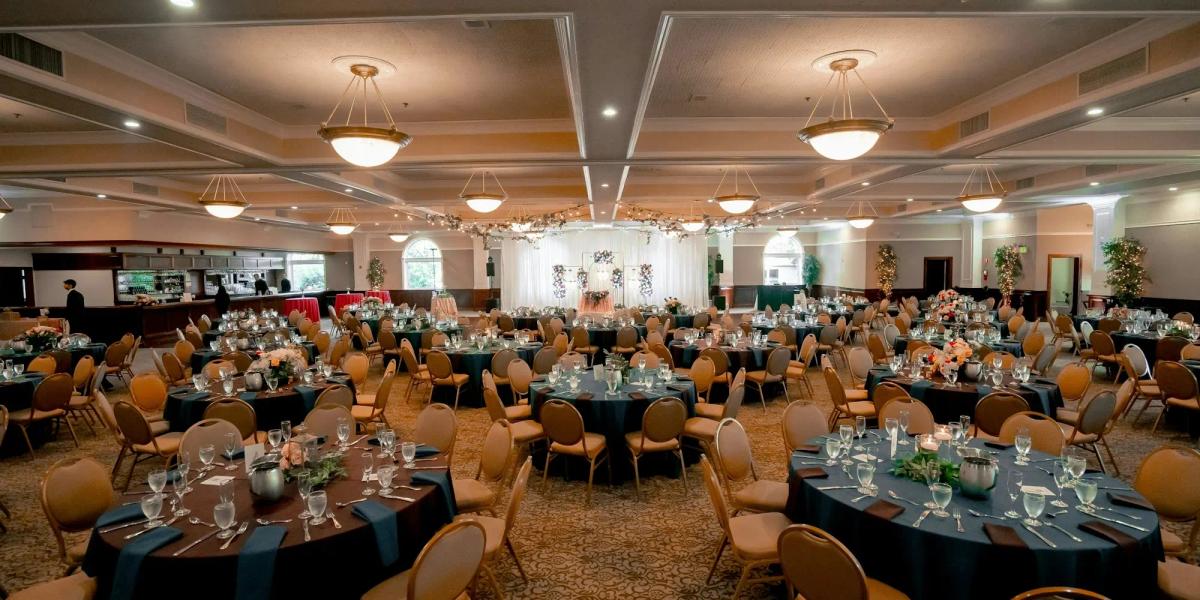
Event venues face a different version of the same problem. A deposit taken in March for a wedding in October is payment for an event you have not held yet, and depending on your contract, part of it may have to go back if the event moves or cancels. If you spend those deposits on this month's bills, you may not have the money for the October wedding when its costs come due. A line of credit drawn for the gap and repaid as final balances come in keeps the deposits separate from this month's bills.
What funders look at in a fitness or venue file
Every funder sets its own thresholds, and they vary widely. Revenue-based funders base most of their decision on your last 4 months of business bank statements. They look at how large and steady monthly deposits are, how often the balance runs low, and what other funders already debit from the account. Recurring card billing from a membership platform is a strong signal, because it shows the same members paying month after month. Event revenue looks less steady, so a venue's file is stronger with a list of booked events and the deposits already taken.
Time in business counts as well. In the Fed survey, 48% of applicants with 5 years or less in business were fully approved, compared with 64% of firms that had been open 21 years or more, and 49% of applicants in leisure and hospitality, the closest category the survey reports to gyms and venues, were fully approved. Credit matters more to some funders than to others, and most prequalify from bank statements and a soft credit pull. If you are looking for gym financing with bad credit, a low score means fewer funders to choose from, but it does not rule you out. Our guide to qualifying for a merchant cash advance goes through the requirements.
What recreation businesses use financing for
In the Fed survey, 56% of applicants sought financing to meet operating expenses and 27% to make repairs or replace capital assets. In a gym, studio or venue, these usually mean a few common requests.
| Need | What tends to fit | Why |
|---|---|---|
| A new cardio and strength floor | Equipment financing | The machines secure the financing, and payments run over a term closer to their working life. |
| Reformers or bikes for a new boutique studio | Equipment financing, with a line of credit for the opening months | The equipment has a clear price, while rent and payroll before the first full month of classes are a short-term gap. |
| Payroll and rent through a slow season | A line of credit, or a short revenue-based advance | You draw for the quiet weeks and repay as the busy season's revenue comes in. |
| A second location's fit-out | An SBA 7(a) loan, with equipment financing for the floor | The new location brings in no revenue for months, and a short repayment would come out of the first location's revenue. |
| Buying the building you lease | An SBA 504 or bank loan | A building stays in use for decades, so a long term keeps each payment small relative to the price. |
Mistakes that cost gym and venue owners the most
The mistake we most often help gym and venue owners fix is stacking, which means taking a second or third advance while the first is still being repaid. Each one adds another debit to the same account, and offers for a second position are usually priced higher because that funder is second in line behind the first. If you take it in a slow season, the second debit comes out exactly when new memberships or bookings are at their lowest. If you already carry more than one, consolidation can replace them with one weekly or monthly payment on a longer term, though the total cost may not go down.
The second mistake is paying for a fit-out with a short advance. A build-out brings in revenue for years, while an advance is usually repaid within months, so the payments come out of the first season's memberships long before the room has paid for itself. Equipment financing for the machines and a longer loan for the construction keep the payment smaller.
The third mistake is signing the first offer without comparing it. Offers on the same file can differ in total payback, payment frequency and early payoff terms, and for a seasonal business a weekly payment can be easier to manage in the slow weeks than a slightly cheaper daily one.
How to apply for gym, studio or venue financing
- Fill out the short application with your monthly revenue, time in business and what the money is for. There is nothing to pay to apply or to see offers, and no obligation to accept one.
- Add your last 4 months of business bank statements as PDFs. For an SBA or bank loan, have tax returns, a personal financial statement and a debt schedule ready too.
- We send your file to the funders in our network, bring all their offers back together, and go through the total payback, payment and early payoff terms with you before anything is signed.
- Most applicants are funded within 1-2 business days of choosing an offer, and some the same day. SBA and bank loans take several weeks.
Say what the money is for when you apply, because a row of new treadmills and a payroll gap before wedding season call for different products and different funders. Our gym, studio and venue funding page sums up what tends to fit each need. To talk it through first, call us at (818) 351-0225.
Questions gym and venue owners ask about financing
Can a gym get financing with bad credit?
Many can, though with fewer options. Revenue-based funders base most of their decision on bank statements and steady membership deposits, and equipment financing is secured by the equipment, so a low score means fewer funders, but it does not rule you out.
How do you finance gym equipment?
Most gyms and studios use equipment financing, which uses the machines, racks or reformers as security and usually produces offers within 1-2 business days. Equipment makers and dealers often offer their own financing as well, so compare that quote with offers from independent funders before you choose.
How do event venues get financing between seasons?
A line of credit is the usual fit, because the venue draws for payroll and vendor costs ahead of a busy stretch and repays as the final event balances arrive. Equipment financing covers sound, lighting and staging.
Is a merchant cash advance a good idea for a gym or fitness studio?
It can be for a short, specific need with a clear payoff, because the money arrives quickly and the set payment is sized on your usual revenue. It is not a good fit for a full build-out, so check the total payback, payment frequency and reconciliation terms before you sign.
Does applying for gym or venue financing hurt my credit score?
Getting matched with funders does not need a hard credit pull, since most funders prequalify from bank statements and a soft pull. A funder may run a hard pull in final underwriting, and you will know before it does.